





Odisha on Rapid Climatic Decline, Bhubaneswar Facing Urban Heat
Two things in India are irreversible at present. One is corruption and the other is climatic disorder. Both the Cs are dominant in their own ways regardless of the fact that climate change is global.
It is a fierce battle between green and toxic where green or trees are on a rapid decline, signalling the beginning of doomsday.
As we all know, the first C (corruption) is the outcome of our socio-political system, which has today been virtually institutionalised.
Recalcitrance vs Reason
The second C aka climate in Odisha has always remained inclement throughout the year. This year, till the end of June, a killer solstice kept people on their toes looking for respite.
In addition, a wayward approach toward development has claimed a huge population of trees.
Bhubaneswar's vegetation cover dropped by 10% between 2018 and 2024, driven by a 23% expansion in built-up areas. This follows a staggering historical loss where the city lost an estimated two million trees to Cyclone Fani, compounded by the recent felling of over 7,800 trees for various city projects.
A Lasting Blow
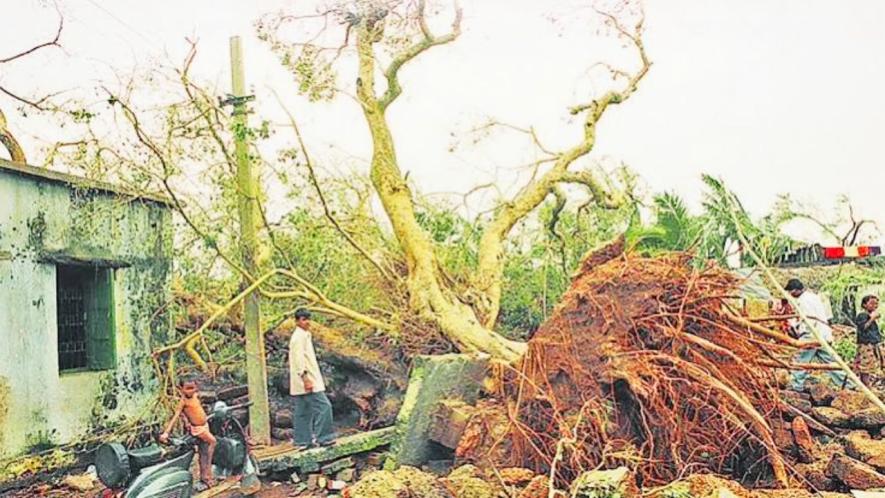
Let’s not forget what had preceded, barring several man-made activities, was the most apocalyptic and history’s major oceanic blizzard known as the 1999 Super Cyclone, which claimed an estimated 90 million trees and destroyed over 95,000 hectares of forests across coastal regions, including a huge expanse of precious mangrove forest. Massive tree felling also caused severe ecological damage and blocked all major roads, with urban areas like Bhubaneswar turning bald by losing 70% of their trees.
“Those were apocalyptic days, beyond human control, but what after that? We refused to draw lessons from a mere 27- year-old history. Back to square one and wayward development kept claiming trees” said Biswajit Mohanty, an environmental activist.
The saying ‘one tree, one life’ is a timeless reality but in the present world of advancement, so many such lives (trees) are being sacrificed at the altar of development.
Let’s not see the causes of environmental degradation in isolation, and huge industrial projects or commercial activities as the only factors behind the threat to the climate, because the smallest things do matter.
Sadly, almost every day or every minute a tree is disappearing. When we cut a tree without a pressing need, we contribute to global warming. When we cover open soil with concrete, pitch tar, we contribute to global warming.
Bhubaneswar and Other Cities
Even on road sides, we see so many four-wheelers with their ignitions on and the air-conditioner switched on, which is baffling. The idling vehicle generates heat. Imagine, how hundreds of such car owners contribute to the warming.
The irony is that the topic of climate change or global warming is being kept confined to seminars or conclaves housed inside posh hotels etc., as if it is still a distant possibility in the years to come. This is a misconception.
It is time such discussions were taken out of the cosy enclosures and discussed with the people on the ground, villages and hamlets, so that the message is spread far and wide.
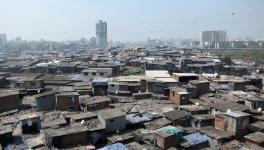
Green covers have been replaced by barrenness or concrete monstrosity i.e. construction activities, roads and flyovers.
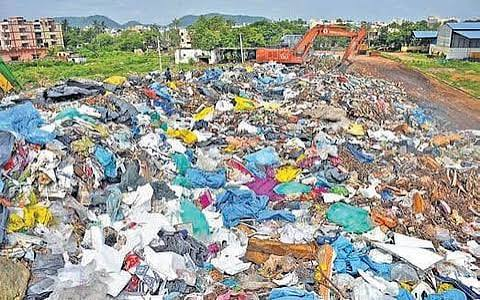
Odisha’s capital city Bhubaneswar is laced with heaps of garbage eating into the health of people residing there. The number of landfills increase each passing year, and so has the footfalls of rag-pickers.
For example, Bhubaneswar generates approximately 800 to 900 tonnes of solid waste every single day. This includes a mix of biodegradable wet waste, huge amounts of debris from construction sites, plastics and green waste during the monsoon. The increasing volume of the waste is challenging.
The city generates approximately 5,600 to 5,700 tonnes of plastic garbage in a month. The overall municipal waste sits at roughly 750 tonnes daily, with plastics consistently making up about 25% of the city's total solid waste load (averaging roughly 189 tonnes per day).
As a palliative measure, the Bhubaneswar Municipal Corporation (BMC,) and state forest bodies have launched massive plantation drives. Recent initiatives include the 89-acre Anandabana (now the Atal Bihari Vajpayee Anandabana) in Kalinganagar, and state-wide drives to plant over 4 to 5 crore (40 to 50 million) saplings.
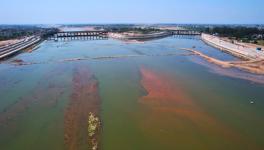
“But that is like a drop in the ocean and symbolic because the combined loss of trees and a 75% drop in water bodies between 2018 and 2024 has significantly exacerbated the urban heat island effect”, said Mohanty.
The writer is a freelance journalist based in Odisha, with over 40 years’ experience in the profession.
Get the latest reports & analysis with people's perspective on Protests, movements & deep analytical videos, discussions of the current affairs in your Telegram app. Subscribe to NewsClick's Telegram channel & get Real-Time updates on stories, as they get published on our website.